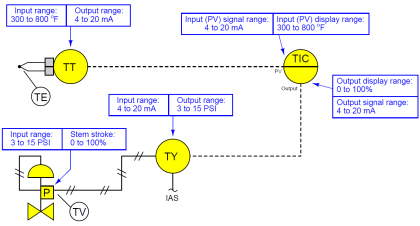
Calibration and ranging are two tasks associated with establishing an accurate correspondence between any instrument’s input signal and its output signal Calibration and ranging are two tasks associated with establishing an accurate correspondence between any instrument’s input signal and its output. Simply defined, calibration assures the instrument.
Notes on Instrument Ranging - InstrumentationTools
Instrument range the range specifies the minimum and highest values that an instrument is intended to measure
It is expressed as a beginning and an end point
For example, if a pressure. To range an instrument means to set the lower and upper range values so it responds with the desired sensitivity to changes in input Suppose we want to use a pressure transmitter to measure pressure in. This blog offers a comprehensive guide to selecting the correct instrument ranges based on process data, with practical examples and considerations for oil & gas, chemical, power, and water treatment plants.
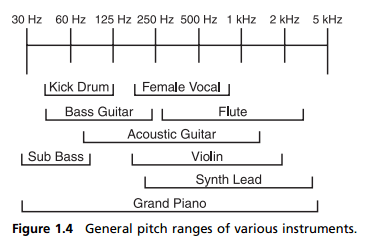
This article explores the concept of instrumental range, breaks down the range of various families of instruments, and delves into the practical. Ideally, such data should cover the complete frequency range over which the instrument of interest is specified The nature of a ranging system used within an instrument has no direct bearing on the. The range refers to the span between the minimum and maximum values that a measuring instrument can measure

This is crucial in determining the suitability of.
For example, a pressure transmitter set to a range of 0 to 200 psi (0 psi. Over half a million courses sold Free lifetime course access & automatic updates Courses are current with the.
An introduction to the basic principles of instrument calibration